
STORIES OF IMPACT AND PROGRESS ON MINNESOTA’S SIX HOUSING GOALS
-

Local Governments Create Rental Assistance Programs
Story of Impact from Minnesota’s Housing Scorecard, FEb. 2020: Housing Goal Four – Increase Home Stability The cities of Saint Paul and Minneapolis each created new, locally funded rental assistance programs in partnership with St. Paul and Minneapolis Public Schools, to help families with school-aged children experiencing housing instability. The City of Minneapolis aims to…
-

Minnesota Supreme Court Ensures Tennants’ Rights in Cases of Retaliatory Evistions
Story of Impact from Minnesota’s Housing Scorecard, Feb. 2020: Housing Goal Four – Increase Home Stability Tenant rights were clarified and strengthened in June of 2019 when the Minnesota Supreme Court recognized, in Central Housing Associates v. Olson, that tenants have antiretaliation rights when landlords seek to evict them after tenants have filed a complaint…
-

Schools Join the Fight to Ensure Housing for Vulnerable Children and Famlies
Story of Impact from Minnesota’s Housing Scorecard, Feb. 2020: Housing Goal Four – Increase Home Stability Homework Starts with Home, a state-wide initiative that grew out of efforts in rural Northwest Minnesota, brought together multiple state agencies and philanthropies to provide stable housing for at least 200 families and 400 school-age children. Using this program,…
-

Cities Enact New Affordability Standards
Story of Impact from Minnesota’s Housing Scorecard, Feb. 2020: Housing Goal Three – Build More Homes City of Bloomington adopted an innovative housing ordinance that requires new apartment buildings to make nine percent of units affordable to low- and moderate-income households or contribute to an affordable housing trust fund. In exchange, developers receive incentives that…
-

State Legislators Focus on Affordabilty
The Minnesota Legislature formed a bipartisan Commission on Housing Affordability in 2019. The Commission will look at new and existing policies to find opportunities to spur innovation, encourage transparency, and improve the homeownership equity gap. The Minnesota Senate also took an important step forward when it formed the Select Committee on Homeownership Affordability and Availability.…
-

Communities Organize Around City Development Plans
Story of Impact from Minnesota’s Housing Scorecard, Feb. 2020: Goal Three – Build More Homes Neighbors for More Neighbors, a citizen coalition advocating for “abundant homes,” originally organized to stand up for proposed new homes in Minneapolis and in support of the 2040 Comprehensive Plan proposals that revamped zoning to allow more people to live…
-

New Funding Extends Affordability on Expiring USDA Rurual Development (USDA-RD) Mortages
Story of Impact from Minnesota’s Housing Scorecard, Feb. 2020: Housing Goal Two – Preserve the Homes We Have Scheduled expirations of USDA-RD mortgages jeopardize housing stability for hundreds of households. These developments are the only affordable housing available in some Greater Minnesota communities and often serve people with extremely low incomes. In response, Minnesota Housing…
-
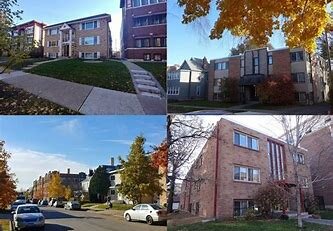
Minneapolis Offers Tax Incentives in Exchange for Affordabe Rents
In 2018, the City of Minneapolis piloted an expansion of the 4d property tax classification as a strategy to stabilize affordable rental housing. The 4d tax classification reduces property taxes on affordable apartments by approximately 40 percent. The City’s voluntary program, now enacted in full, allows property owners to enroll all or a portion of…
-

Elected Officials Committed to Housing as a Foundation for Minnesota’s Success
Story of Impact from Minnesota’s Housing Scorecard, Feb. 2020: Housing Goal One – Commit to Homes as a Priority The 2019 proposed housing budget of $283.6 million was the largest-ever proposed and an increase of more than 26 percent. But the final budget approved by the Legislature offered only a modest increase. The Minnesota House…
-
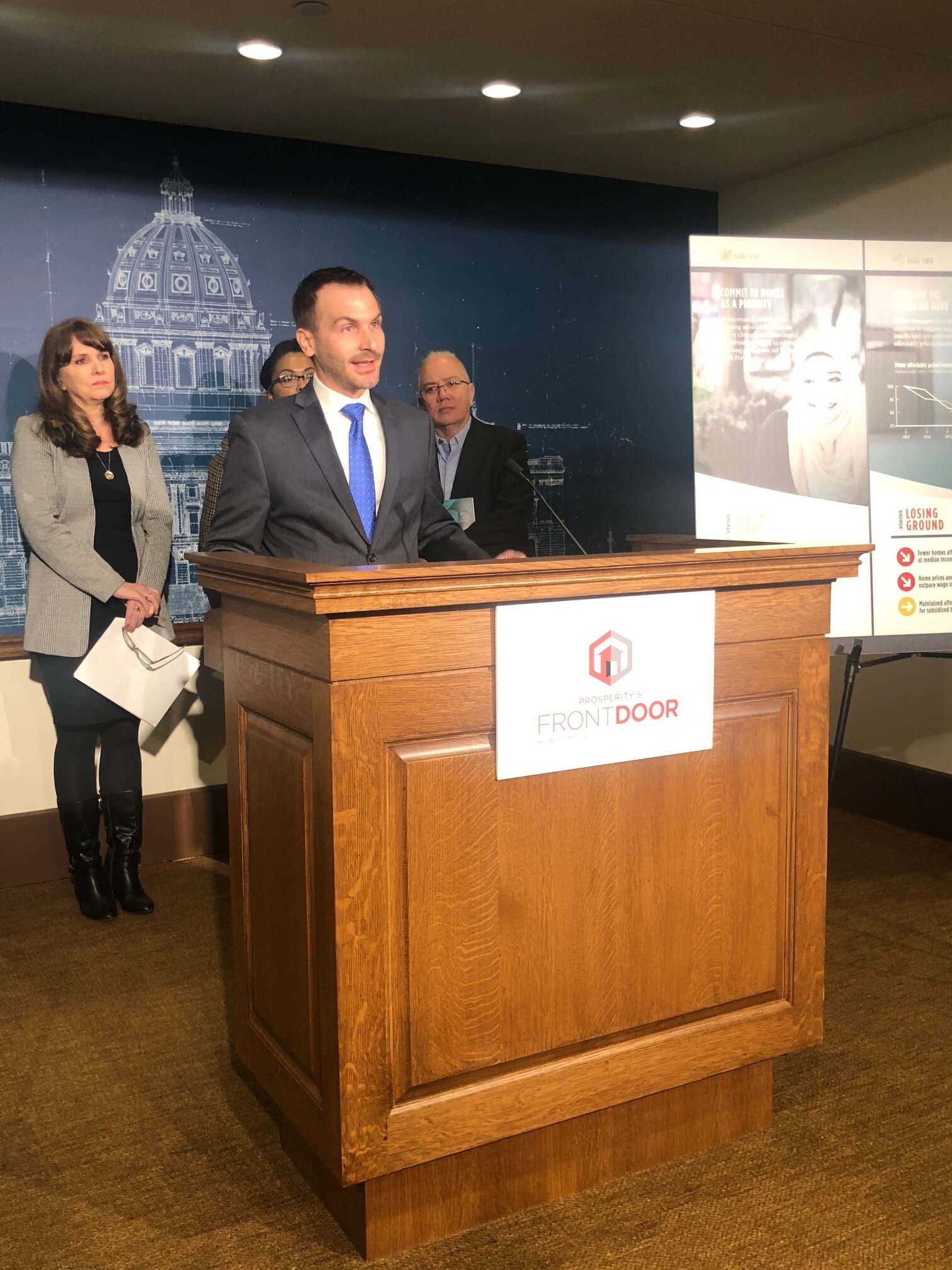
Businesses and Economic Development Groups Elevate The Importance of Housing
Story of Impact fom Minnesota’s Housing Scorecard Feb. 2020: Housing Goal One – Commit to Homes as a Priority The GREATER MSP Partnership added new metrics to its annual Regional Indicators Dashboard and now highlights housing as a key factor in the livability category. The Minneapolis Regional Chamber, likewise, has made housing a priority issue.…
-
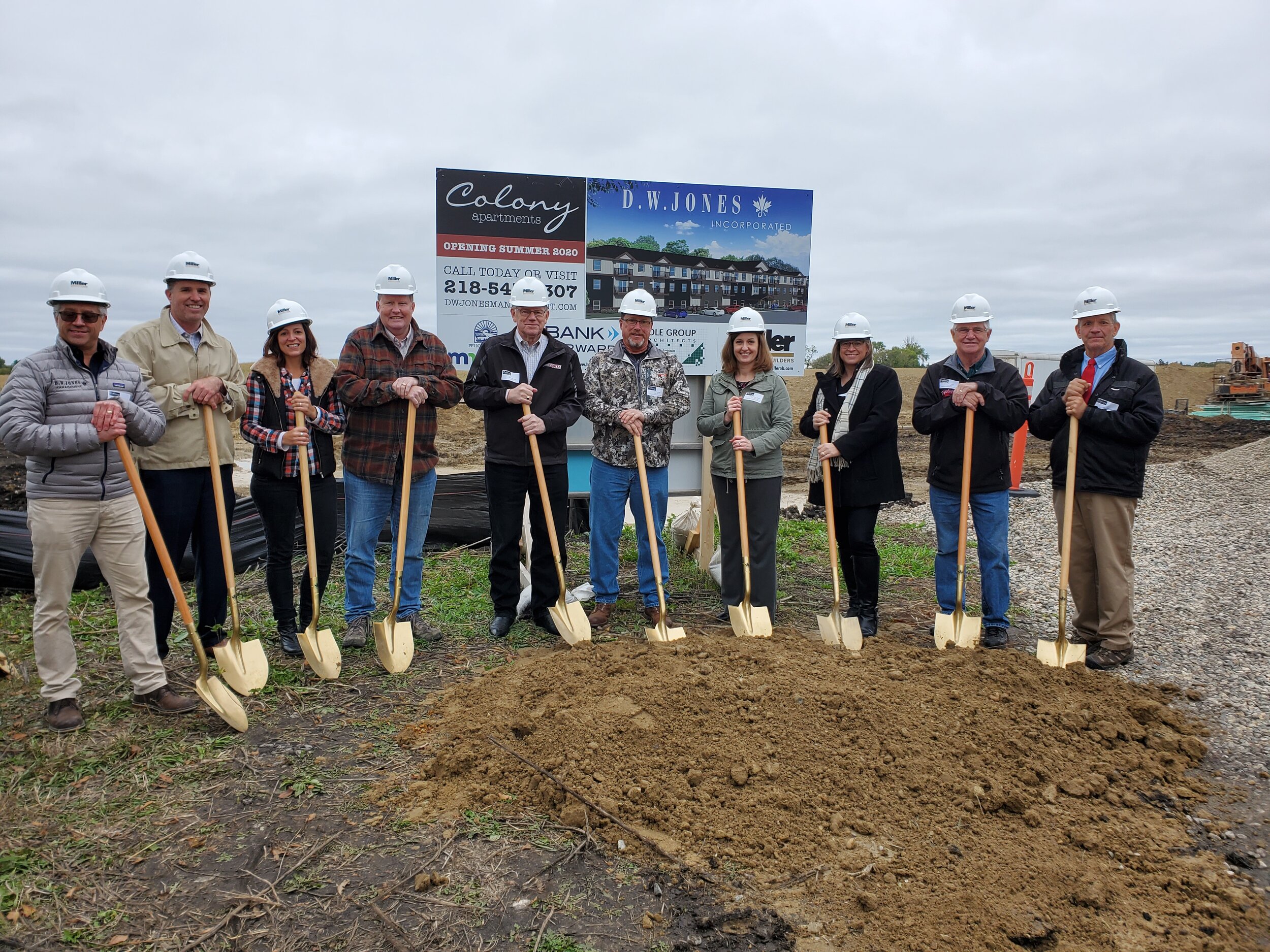
Local Governments Provide Innovative Housing Policy Leadership
Story of Impact from Minnesota’s Housing Scorecard, Feb. 2020: Housing Goal One – Commit to Homes as a Prioirty Numerous new Housing Task Forces are forming to address local challenges. For example, Otter Tail County launched “The Big Build” to expand housing opportunities, increase construction of new units, and build the capacity of area partners.…
-
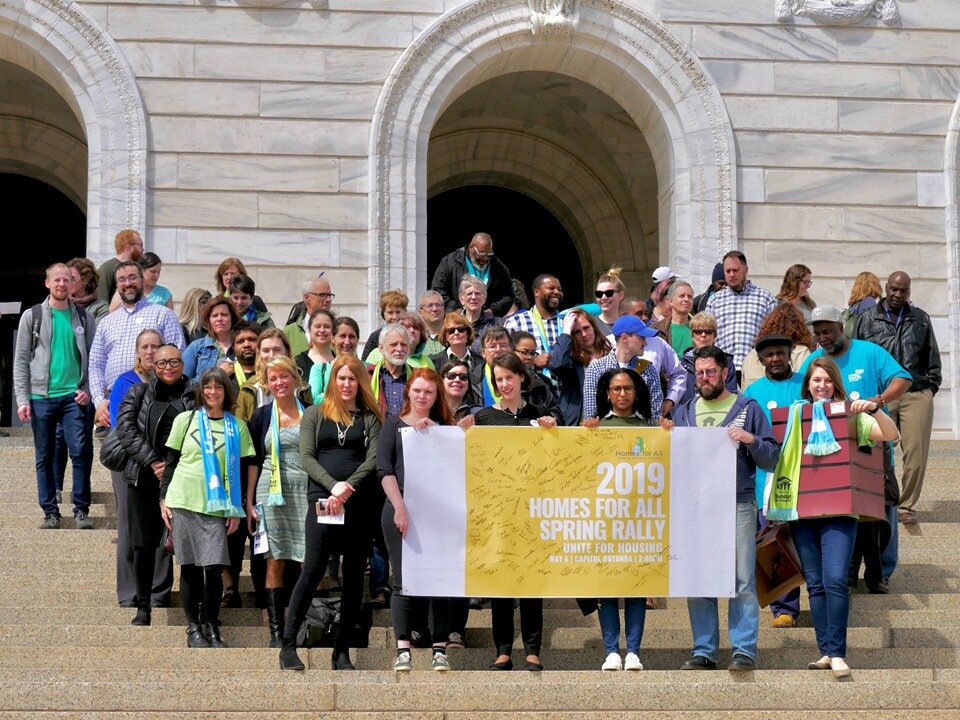
Coordinated Advocacy Efforts Sought Sustainable Policy Change
Story of Impact from Minnesota’s Housing Scorecard, Feb. 2020: Housing Goal One – Commit to Homes as a Priority Homes for All, a statewide coalition with more than 240 endorsing organizations, continues to shape and advance the public conversation on housing inside the Capitol, outside the Capitol, and in the media. Several long-term policy proposals…